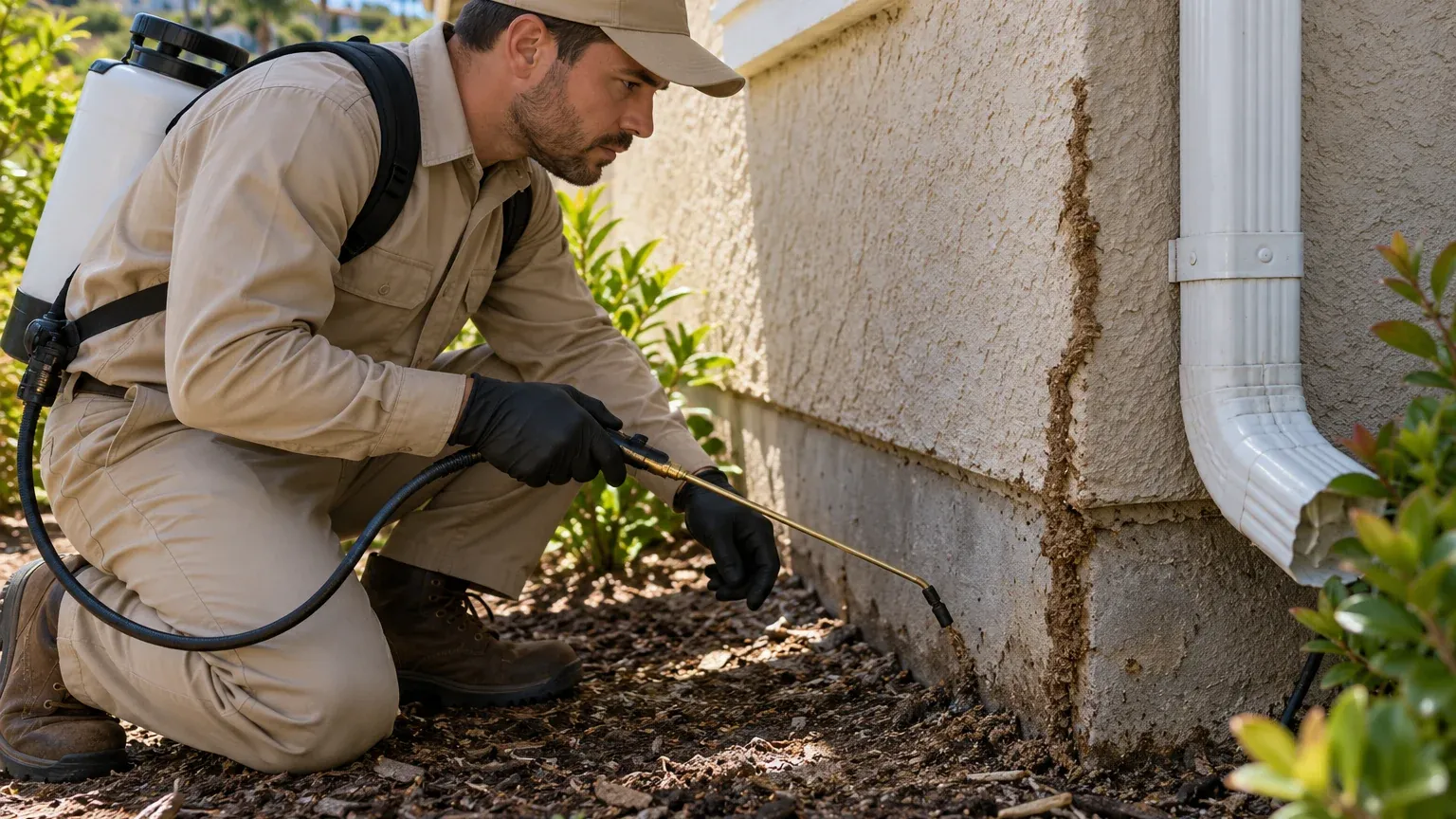
Construction joins can affect access
At a Kingsport home, an addition or attached outdoor structure may create different soil, wood, and inspection conditions from the original house. Subterranean termite assessment needs the construction and current evidence in view. Insects, shelter tubes, and damaged material should be assessed rather than used as isolated reasons to choose treatment. A wood mark alone does not establish the pest or extent of activity.
An inspection should explain its limits
Concealed wood, finishes, and difficult access can restrict what is visible. A useful assessment identifies those limits rather than presenting a brief surface look as proof of every hidden area. Relevant moisture or soil-contact conditions may need separate improvement. Structural work should not conceal uncertain evidence before the pest findings and the repair needs are understood.
The continuing program matters
Termite controls can involve different treatment and monitoring arrangements, with maintenance and further inspections relevant to the approach. Equipment at the property is not automatically an active service plan. For a Kingsport address, the structure covered, access requirements, limitations, and return visits should be defined. The objective is control suited to the findings, with structural repair distinguished from the work intended to address termites.